Category: Cash Flow

  • Working Capital: Why Profitable Companies Still Run Out of Cash

    Working Capital: Why Profitable Companies Still Run Out of Cash

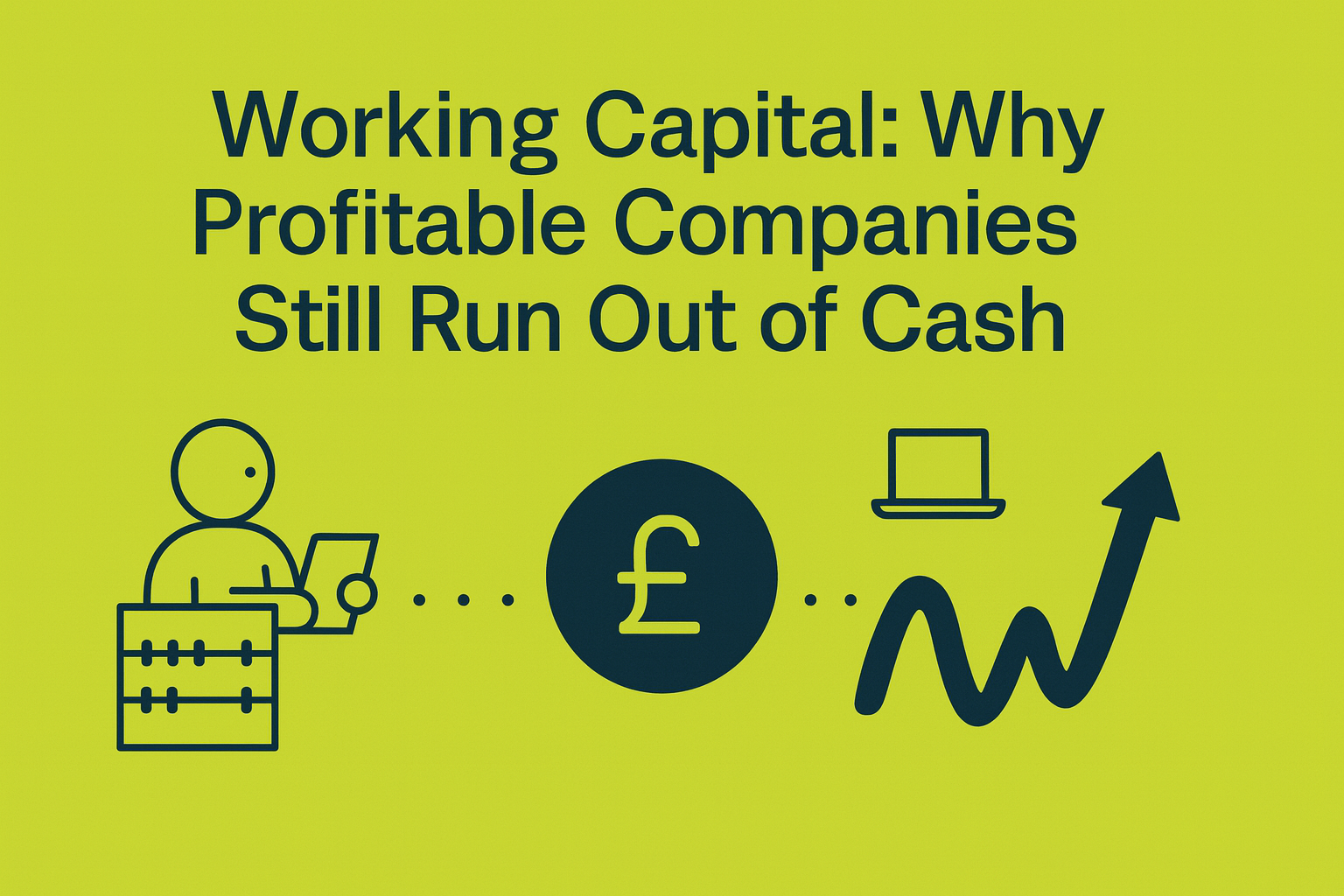
    Working capital is one of those areas every business depends on, yet most founders rarely look at closely. They focus on their P&L, celebrate revenue wins and push for growth, while the Balance Sheet sits quietly in the background. The problem is that profit does not keep a business alive. Cash does. You can have healthy sales, strong margins and a confident forecast, yet still find yourself unable to pay suppliers or meet payroll on time. It is a contradiction that catches out even the most promising companies.

    The truth is simple. Businesses do not fail because they are unprofitable, they fail because they run out of cash. We see this often. Founders chase growth, sign new clients and expand their teams, but forget to ask when the cash from this activity will arrive. They allow invoices to drift, pay expenses earlier than needed or increase their cost base before their cash position can support it. On paper they look successful, but underneath, liquidity is tightening. Working capital becomes the silent pressure point in the business, the place where good intentions meet financial reality.

    When working capital is understood and managed properly, everything changes. It gives leadership the clarity to grow with confidence and the control to protect the business during periods of uncertainty. It turns profit into usable fuel rather than a number on a report. Done well, working capital management stops being a technical exercise and becomes the foundation for sustainable, cash centred decision-making. It is not just about improving processes. It is about helping founders build a business that succeeds not only on paper, but in practice.

    Why Founders Overlook Working Capital

    Most founders are naturally drawn to the P&L. It is the document that shows growth, momentum and commercial success. It is where revenue targets live and where performance is judged. The Balance Sheet, by comparison, can feel static and less urgent. Yet this focus on top-line progress often hides the real issues. A company can be growing quickly, winning new customers and increasing its margins, while at the same time building a hidden cash problem that only becomes visible when it is too late.

    The most common reason this happens is a lack of visibility. Many founders simply do not know what they are owed or what they owe at any point in time. They underestimate how much capital is trapped in overdue invoices, early payments or expanding cost bases. Without a clear picture of accounts receivable and accounts payable, decisions are made on optimism rather than on available liquidity. The result is a business that appears healthy on paper but is stretched in practice.

    At Quantro we see this pattern again and again. The issue is rarely that a company is unprofitable. It is that cash is being managed on guesswork. Once founders begin to look beyond the P and L and understand the timing and movement of cash within the business, the picture becomes clearer. Working capital shifts from being an afterthought to becoming a core part of strategic planning. The companies that make this shift are the ones that grow sustainably rather than dangerously.

    The Two Working Capital Levers That Break First

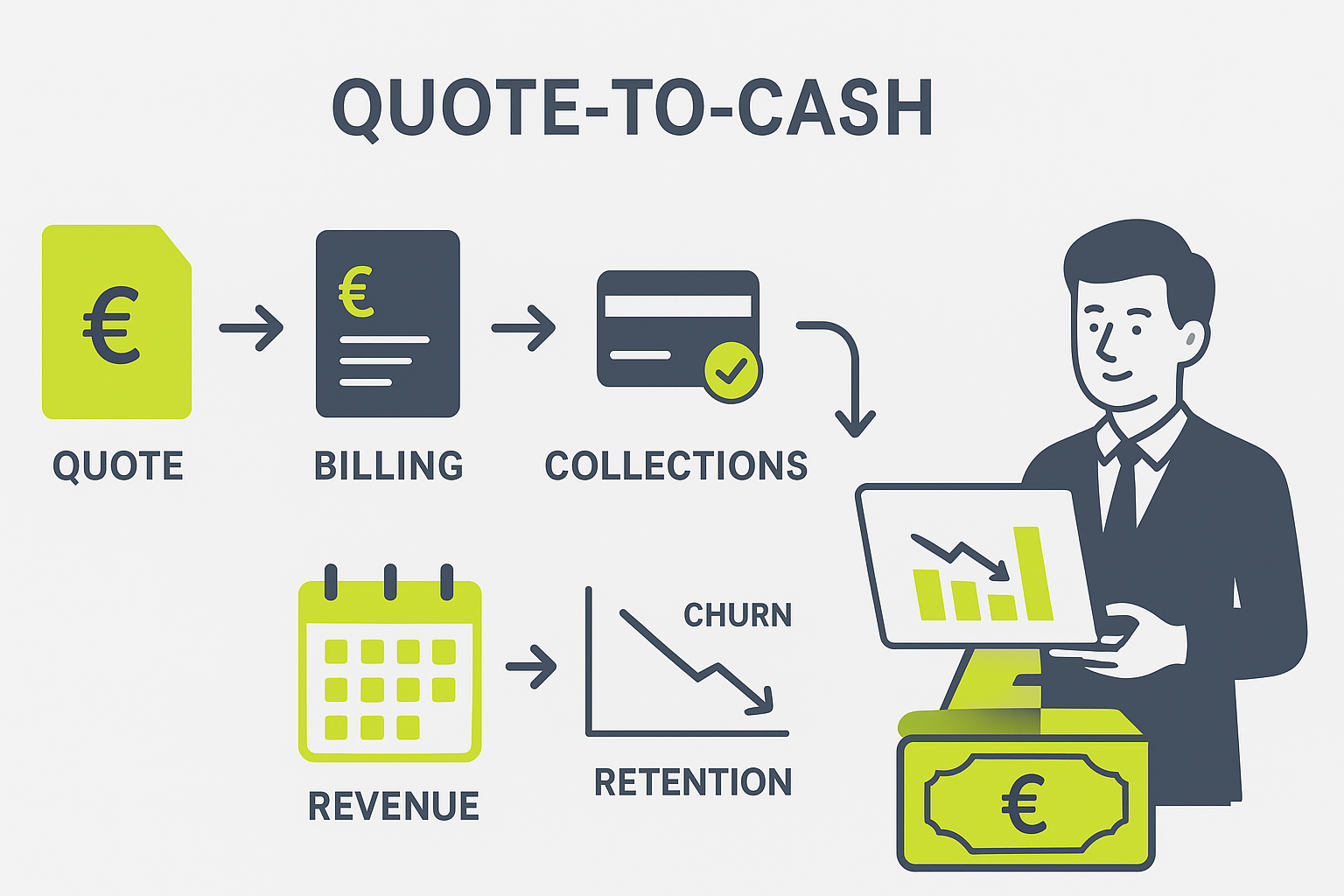
    When a business begins to grow, the first cracks rarely appear in revenue or profit. They show up in accounts receivable and accounts payable. These two levers determine how cash moves through the business, yet they are often the least understood by founders. Accounts receivable is where cash becomes trapped. It represents work completed and revenue earned, but not money in the bank. When invoices are allowed to drift or credit terms extend beyond what the business can comfortably support, liquidity tightens long before it shows up in the P&L. This is why understanding the core working capital metrics becomes essential. They reveal whether your business has the immediate financial strength to operate and how efficiently cash moves through its daily cycle.

    At the foundation sits the Current Ratio, a straightforward test of short term health. It is calculated as Current Assets divided by Current Liabilities. Current assets are items the business expects to convert into cash within twelve months, such as cash itself, accounts receivable and inventory. Current liabilities are obligations due within the same period, such as supplier invoices, short term loans and tax payments. A ratio above one suggests the business can cover its short term commitments, while a ratio below one can signal potential strain. Working Capital expresses this same relationship in absolute terms, calculated as Current Assets minus Current Liabilities. For example, if a company has current assets of 450,000 pounds and current liabilities of 300,000 pounds, its working capital is 150,000 pounds. These fundamentals provide a financial safety check, but they only tell part of the story.

    The deeper insight comes from understanding the timing of cash. This is where operational KPIs matter. The Cash Conversion Cycle shows how long cash is tied up in operations before it returns to the bank account. It is calculated as Days Sales Outstanding plus Days Inventory Outstanding minus Days Payable Outstanding. Days Sales Outstanding measures how quickly customers pay. Days Inventory Outstanding measures how long stock sits before it is sold. Days Payable Outstanding measures how long the business takes to pay suppliers. When these measures are monitored together, they reveal how efficiently the business turns activity into cash and where delays are building. A rising cycle is an early warning that cash is becoming stretched, even if profit looks healthy. This is why these KPIs are central to diagnosing working capital pressure early, rather than reacting once the problem appears on the P&L.

    Accounts payable tells a similar story from the opposite direction. Many businesses pay suppliers earlier than necessary, either out of habit or in a well intentioned attempt to maintain strong relationships. The intention may be positive, but the outcome is often damaging. Cash leaves the business faster than it needs to, reducing the breathing room required to operate with confidence. When accounts receivable slows and accounts payable accelerates, even profitable companies begin to feel the strain. Understanding DPO gives founders the clarity to set payment timings that support cash flow without harming supplier relationships.

    At Quantro we see this pattern in nearly every client we support. The problem is rarely that the business model is broken. It is that founders lack visibility of what they are owed and what they owe at any point in time. By implementing real time cash flow tools and weekly dynamic accounts payable reports, we help founders see the movement of cash clearly and act on it quickly. Once these two levers are understood and managed with intention, the business begins to operate on solid ground rather than on hope.
    The Outdated View of Working Capital and Why It Hurts Businesses

    For many companies, working capital is still treated as a technical chore rather than a strategic advantage. It sits in the background of the finance function, managed quietly through invoicing routines, supplier cycles and basic reconciliation. This narrow view assumes that working capital is simply an administrative process: collect what is owed, pay what is due and keep everything moving. The problem is that this approach misses the bigger opportunity. It separates day to day cash management from the decisions that shape the future of the business.

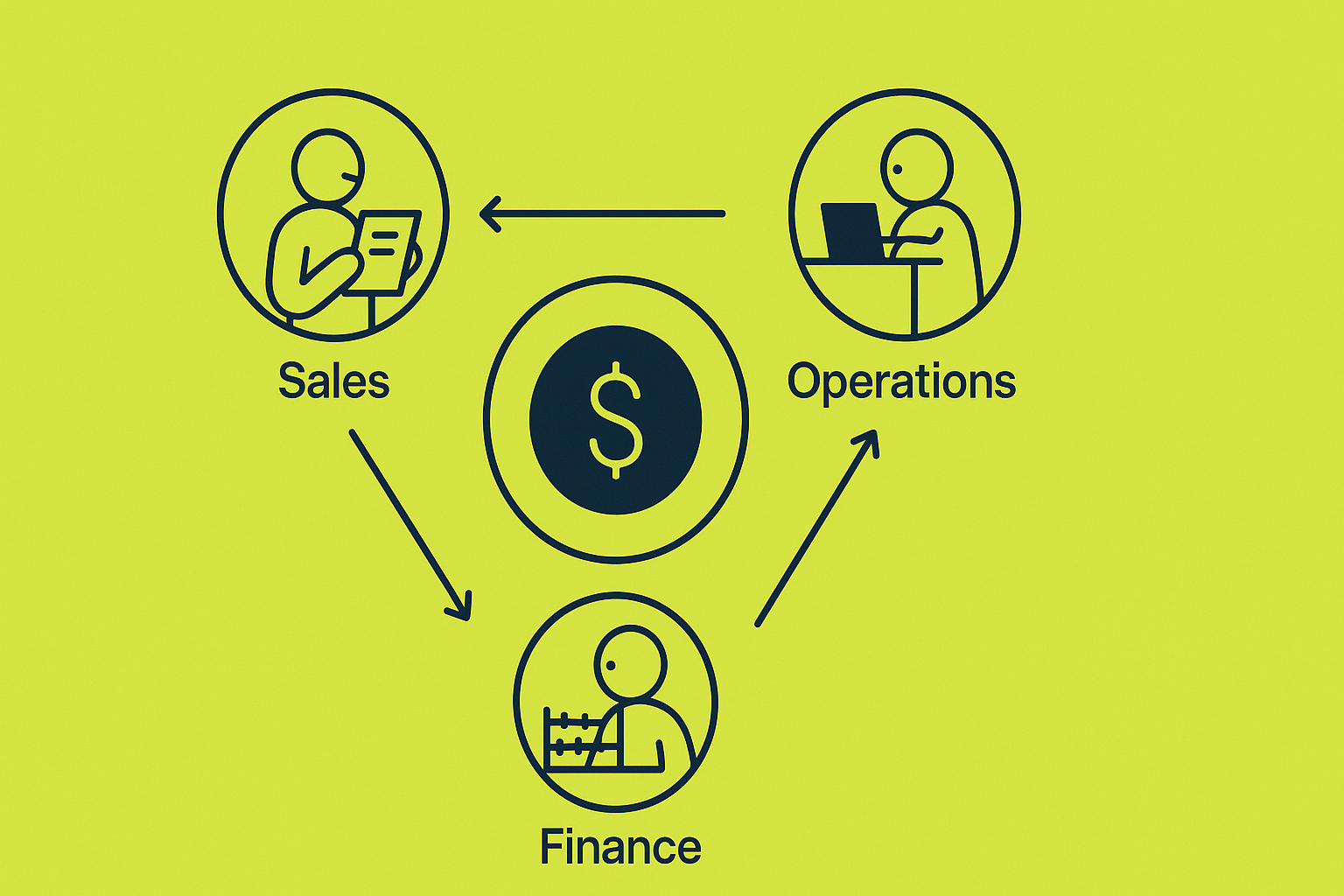
    When working capital is viewed in isolation, it is easy for teams to optimise their own priorities without considering the wider impact. Sales teams focus on closing deals regardless of payment terms. Operations push for efficiency without considering stock levels or supplier timing. Finance tries to manage the consequences rather than drive the strategy. Each department operates with good intent, yet the combined effect can quietly weaken liquidity. A business can look efficient on paper while unknowingly tightening its own cash position.

    A more modern view brings working capital into the centre of strategic planning. Payment terms become a competitive tool, not an afterthought. Inventory management becomes a lever for resilience, not only for efficiency. Cash timing becomes part of every investment discussion, from hiring to marketing. At Quantro we encourage founders to treat working capital as an active management discipline. When it is integrated into everyday decision making, the business becomes more predictable, more resilient and far better prepared for growth.

    This is also the point where the right metrics begin to matter. The Current Ratio and the absolute working capital number provide a snapshot of short term strength, while measures such as Days Sales Outstanding, Days Payable Outstanding and Days Inventory Outstanding reveal how quickly cash moves through the business. The Cash Conversion Cycle brings these elements together to show how long it takes to turn investment back into cash. Working capital turnover and the Quick Ratio can add further clarity. When founders track these indicators consistently, they gain a far deeper understanding of liquidity and can make decisions with greater confidence.

    Helping Founders Understand the Profit and Cash Divide

    For many founders, the hardest shift is accepting that profit and cash do not move at the same pace. Profit shows the outcome of the work the business has done. Cash shows whether the business can actually afford to keep going. When these two are out of sync, even healthy companies begin to feel pressure. We often find that once founders see the timing difference between when revenue is earned and when it is collected, the entire financial picture changes for them. It becomes clear that the problem is not growth, but the rhythm of cash flowing through the business.

    Our role at Quantro is to make this divide visible and understandable. We strip away unnecessary complexity and highlight the points where cash is delayed or released. This creates space for better decisions. Founders can see precisely how long it takes to turn a sale into usable cash and how each payment cycle affects liquidity. When this understanding is embedded into regular discussions, the business becomes more proactive. Cash stops being a surprise and becomes part of everyday planning.

    What makes this approach powerful is that it replaces assumptions with clarity. Instead of chasing revenue in the hope that cash will follow, founders begin to manage their business with a clearer sense of timing and control. They understand that a company can be profitable and still vulnerable if cash is not managed with discipline. Once the distinction becomes part of the culture, decisions become steadier, planning becomes sharper and the business gains the resilience it needs to grow with confidence.

    Turning Working Capital into Confidence

    Working capital is not a background task or a technical detail. It is the financial heartbeat of a business, and when it is ignored, even the most promising companies can find themselves under pressure. The difference between profit and cash becomes painfully clear when invoices are slow, expenses mount and the timing of money in and money out drifts out of sync. Yet the opposite is also true. When working capital is managed with intention, businesses gain stability, resilience and the freedom to grow on their own terms.

    What we see at Quantro is that the moment founders understand the movement of cash in their business, everything becomes clearer. Decisions feel less reactive, planning becomes more grounded and growth becomes something that feels controlled rather than chaotic. Cash stops being the thing that surprises you and becomes the thing that supports you. This shift is not theoretical, it is practical. It is the difference between a business that survives and one that grows with confidence.

    If you are ready to turn your working capital into a tool for growth rather than a source of stress, we would love to help. Book a meeting with our team to explore how Quantro can build a working capital structure tailored to your business. One that gives you not just profit, but clarity, control and confidence.

  • From Panic to Predictable: Mastering Seasonality in Cash Flow Forecasting

    From Panic to Predictable: Mastering Seasonality in Cash Flow Forecasting

    The Myth of the Linear Year

    Most founders plan as if every month will look the same. Revenue is assumed to arrive in steady increments, costs are spread evenly across twelve months, and cash flow is expected to follow a straight line. On a spreadsheet, this version of reality looks comforting. It feels stable and predictable. Yet any CFO who has worked through a financial year knows that business rarely follows such a tidy rhythm. Sales spike, clients delay payments, campaigns launch in bursts, and costs appear in clusters. Seasonality is not the exception, it is the rule.

    The real problem is not that businesses experience seasonality, but that so few plan for it. Many founders quietly acknowledge that some months are stronger than others, but they treat it as an inconvenience rather than a structural feature of their business. They budget as if their operations are linear, then act surprised when their forecasts start to unravel. When we ignore seasonality, we are not simplifying finance; we are distorting it. A forecast built on flat assumptions quickly loses credibility, and a business that does not plan for quiet months ends up reacting to them in panic.

    The truth is that seasonality does not make a business weaker. It simply makes it human. Every company, from e-commerce to SaaS to hospitality, operates within cycles. Understanding those cycles and building a plan around them is what separates reactive businesses from strategic ones.

    Why Seasonality Is Inevitable (and Not a Bad Thing)

    Every business has its rhythm. Some industries, like retail or hospitality, have obvious peaks and troughs tied to holidays or weather. Others, like B2B services or SaaS, experience quieter patterns driven by client budgets, project cycles or the summer slowdown. The details differ, but the pattern is always there. The problem is that too many founders treat seasonality as something to be ignored or outgrown. They want to believe that steady growth month after month is a sign of maturity. In reality, it is rarely how business works.

    Recognising seasonality does not mean accepting weakness; it means accepting truth. When founders refuse to acknowledge the natural ebb and flow of their operations, they lose the opportunity to plan around it. Cash flow surprises appear, marketing spend gets mistimed, and teams find themselves overstretched one quarter and underutilised the next. At Quantro, we often meet businesses that know their busy months and quiet ones instinctively, yet avoid reflecting that reality in their budgets. It feels safer to plan for consistency. The irony is that this illusion of stability is what creates volatility.

    When you build a forecast that embraces seasonality, something powerful happens. You move from reacting to your business to leading it. You can anticipate when cash will be tight, when to build reserves, when to hire and when to slow down. You stop seeing the quiet periods as threats and start using them as strategic windows for investment and improvement. Seasonality does not need to be eliminated; it needs to be understood.

    The Cost of Ignoring Seasonality

    When businesses fail to recognise seasonality, their financial plans become fiction. Budgets are built on smooth averages rather than real patterns, and forecasts that once looked solid quickly fall apart. Founders are left wondering why cash reserves vanish faster than expected or why operating expenses feel harder to meet in certain months. The answer is simple: they are planning for a world that does not exist. When revenue and costs are treated as constant, even small fluctuations can trigger big problems: delayed payments, rushed borrowing, and unnecessary stress across the organisation.

    Ignoring seasonality does more than distort the numbers; it erodes trust in the forecasting process. Teams start to see budgets as irrelevant and adjust spending on instinct rather than insight. Over time, this creates a reactive culture where financial control is lost and planning becomes a cycle of surprises. A forecast that ignores seasonality is not just inaccurate; it is misleading. It hides the true rhythm of the business, leaving leaders to make decisions with incomplete information.

    Understanding and integrating seasonality brings the opposite effect. When the peaks and troughs are visible, leaders stop being caught off guard. They can time their decisions, investing during quiet months, holding reserves when cash is strong, and scaling up only when demand is real. At Quantro, we see it often: once businesses start forecasting with seasonality in mind, financial anxiety turns into confidence. Predictability is not about making the numbers smooth; it is about making them honest.

    Learning from the Past: The Predictable Cycles

    Seasonality always leaves a trace. You can see it in the data if you take the time to look: the same months where revenue slows, the same periods when costs rise, the same clients who pay later than expected. These patterns matter, but they are not the full story. The past can show you what has happened before, but it does not decide what comes next. It is a guide, not a guarantee.

    For a CFO, the value lies not in following history but in learning from it. Historical data provides context; strategy creates direction. If August is usually quiet, that is not a limitation but a signal. It is a time to plan campaigns, strengthen systems or invest in process improvements while others wait for activity to return. If Q4 is typically a strong period, it is a chance to prepare early, build liquidity and ensure your team is ready to deliver at scale.

    This shift from observing the past to designing the future is what defines effective financial leadership. The best CFOs do not rely on luck or repetition; they use patterns to make deliberate choices. A business that understands its rhythm can plan, adapt and thrive through every cycle. When you treat seasonality as insight rather than inconvenience, forecasting becomes more than a financial exercise. It becomes a tool for growth, resilience and control.

    The CFO’s Mindset Shift

    For many finance leaders, the turning point comes when they stop viewing seasonality as a nuisance and start treating it as a strategic signal. The role of a CFO is not simply to acknowledge that the business has ups and downs; it is to design the financial systems, budgets and decision frameworks that turn those patterns into an advantage. Predictive finance is built on this shift in perspective, from reacting to fluctuations to planning for them with precision and intent.

    When a CFO builds seasonality into their forecasting, they move from uncertainty to foresight. They can see when to build liquidity, when to pull back on discretionary spending and when to double down on growth initiatives. This is where strategic timing becomes a competitive edge. The ability to make confident decisions in advance of the cycle, rather than in response to it, is what sets apart strong financial leadership.

    A seasonal view also changes how a business measures success. Instead of chasing unrealistic month-on-month consistency, finance leaders can define performance by how well the company manages its rhythm. Strong quarters become opportunities to invest, and slower ones become moments for optimisation. As a result, the business stops riding its cycles and starts steering them.

    Seasonality will never disappear, but its impact can be transformed. For a modern CFO, the goal is not to eliminate variability but to harness it; to understand when to act, when to prepare and when to wait. When this mindset takes hold, finance stops being a reactive function and becomes a source of stability and foresight.

    If you are ready to turn seasonality from a source of stress into a strategic advantage, we would love to help. Book a meeting with our team to explore how Quantro can build a forecasting model tailored to your business; one that anticipates cycles, strengthens cash flow and gives you the clarity and confidence to plan every season with intent.

  • Beyond the Monthly Budget: The Strategic Edge of 13-Week Cash Flow

    Beyond the Monthly Budget: The Strategic Edge of 13-Week Cash Flow

    Cash flow forecasting isn’t just a financial hygiene habit — it’s a strategic tool.

    Many founders believe that so long as the monthly budget balances, they’re on solid footing. But business doesn’t move monthly — it moves weekly (even daily in some very fast pace industries). Suppliers get nervous on Tuesday, not at month-end. A cash shortfall on week 9 won’t show up on your P&L until it’s too late.

    This is why we build and maintain a 13-week rolling cash flow plan with every Quantro client — regardless of whether they’re flush with funding or tightening belts. It gives us time to see the issues coming, space to act, and the confidence to grab opportunities that short-term cash control makes possible.

    Whether you're running a real estate development cycle, a SaaS startup burning investor cash, or a scaling agency juggling payroll and pipeline, a 13-week view gives you clarity today — not regret tomorrow.

    What Is a 13-Week Cash Flow Forecast?

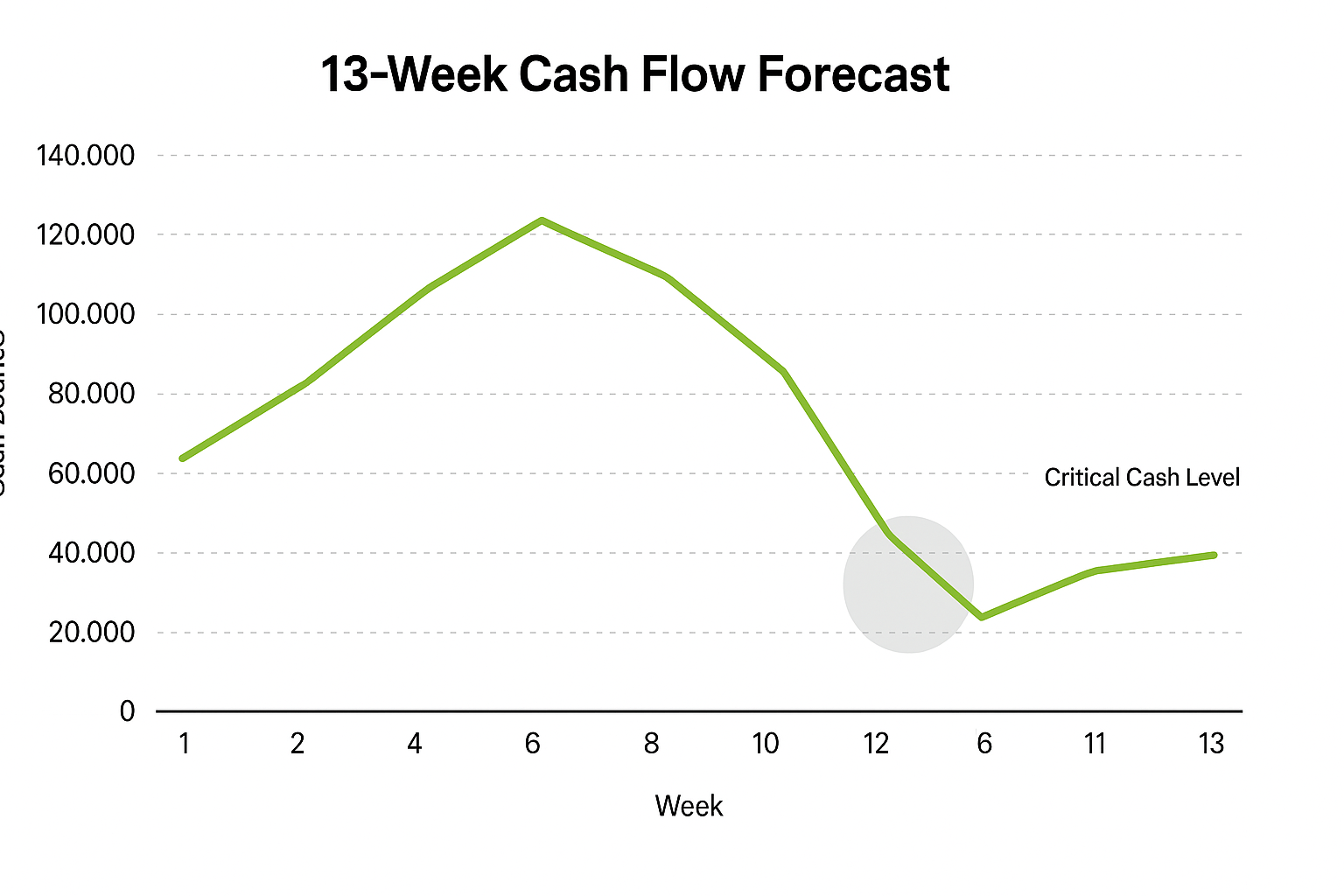
    At its core, a 13-week cash flow forecast is a short-term, rolling view of your expected cash inflows and outflows, updated weekly. Rather than thinking in months or quarters, this tool lets you plan your business’s financial reality on a week-by-week basis for the next 3 months.

    You’re not just looking at profit or loss (which doesn’t include VAT element init). You’re looking at actual cash movement: when invoices are expected to land, when suppliers will demand payment, when VAT is due, when salaries hit the bank. It’s granular. It’s live. And it’s actionable.

    Unlike static monthly budgets, the 13-week model forces founders to connect daily decisions with immediate cash impact. It’s not about forecasting perfectly — it’s about being directionally correct and having time to act. Each week, you roll it forward one week, incorporating the latest receivables, payables, and any adjustments in timing.

    It becomes your cash radar — and in business, visibility is everything.

    Why It’s Not Just for Cash-Strapped Companies

    There’s a myth that cash flow forecasting is only useful when things go wrong. In reality, a 13-week forecast is equally powerful when things are going right.

    For funded companies — especially in SaaS or product-based startups — the 13-week view gives clarity on burn rate and runway. It answers key questions like: Can we afford to hire next month? When do we need the next funding round? Are we spending ahead of plan? It brings discipline without limiting ambition.

    For fast-growing companies, this level of visibility enables better strategic timing. Let’s say you want to invest in new inventory, equipment, or marketing — the weekly forecast tells you when you’ll have the cash, or whether you can restructure payments to make it work. And for businesses that are cash-rich? That’s when timing matters most — using excess liquidity to negotiate better supplier terms, prepay obligations, or even capitalise on competitor weakness.

    Even distressed businesses benefit: if you’re facing tight cash, the 13-week model buys time and shows you your levers— whether it’s delaying a non-critical expense, accelerating collections, or securing a short-term facility before the squeeze becomes existential.

    In short, every business has something to gain from knowing what the next 90 days look like — not just where the year is going.

    Real Outcomes from Clients Who Use It

    At Quantro, we’ve seen first-hand how a 13-week cash flow plan turns uncertainty into opportunity. Here are two real cases from our own clients:

    🟢 Case 1: Securing funding before the storm hit

    One of our clients was showing strong revenue, but our 13-week forecast spotted a looming cash gap — still eight weeks away. Because we saw it early, we were able to prepare financials, speak to lenders, and secure a loan before the situation became urgent.
    The result? The client got better terms, faster approval, and avoided the classic last-minute financing panic that often leads to higher costs or missed opportunities.

    🟢 Case 2: Using surplus cash to negotiate better terms

    In another case, a client had a healthier-than-expected cash position. Most businesses would sit on that buffer. But because we had full visibility through the 13-week model, we analysed the opportunity cost of idle cash and realised we could negotiate early payment discounts.
    We approached a key supplier and secured a 7% discount by paying in advance — a decision that wouldn’t have been made without that week-level confidence in available cash.

    These aren’t dramatic turnaround stories. They’re strategic wins — and that’s the point. Cash flow visibility isn't just about survival. It's about timing, leverage, and control.

    What We Track Weekly and How We Automate It

    The power of a 13-week forecast comes from its rhythm — but the effectiveness lies in what you track and how reliably you update it.

    At Quantro, we build every 13-week cash flow model starting with a detailed budget. That gives us the “ideal case.” From there, we track and adjust weekly based on actual activity, not assumptions. Here’s what we focus on every single week:

    ✅ Accounts Receivable

    We break AR down into four buckets:

    • 0–30 days overdue
    • 31–60
    • 61–90
    • Over 90 days

    Each one has its own strategy. Recent invoices might just need reminders. Older ones might require escalation or factoring. Crucially, if key receivables don’t land, we don’t make corresponding payments — simple but powerful logic that keeps control centralised.

    ✅ Accounts Payable

    We track weekly obligations and match them to realistic inflows. No auto-payments unless cash is available. This weekly discipline prevents cascading issues like overdrafts or missed salaries.

    ✅ Tax, VAT, and Payroll

    We include all non-negotiables — VAT filings, tax prepayments, salary cycles. These are often forgotten until it’s too late, but in our model they’re always visible.

    ✅ Automation & Structure

    Once the budget is in place, we automate the full structure:

    • Weekly cash flow rolls forward
    • VAT and tax dates are auto-calculated
    • All changes link back to expected budget vs actuals
      This creates a system that doesn’t rely on memory, guesswork, or heroic spreadsheet manipulation every Sunday night.
    • On top of that we build hypotheses, where you can add costs or revenue and that will be illustrated automatically in both the budget and the cash flow.

    We built this for our clients at Quantro so they never ask “how much cash do we have left?” — they already know, and more importantly, they know when they’ll need more.

    What Founders Struggle With (and How to Overcome It)

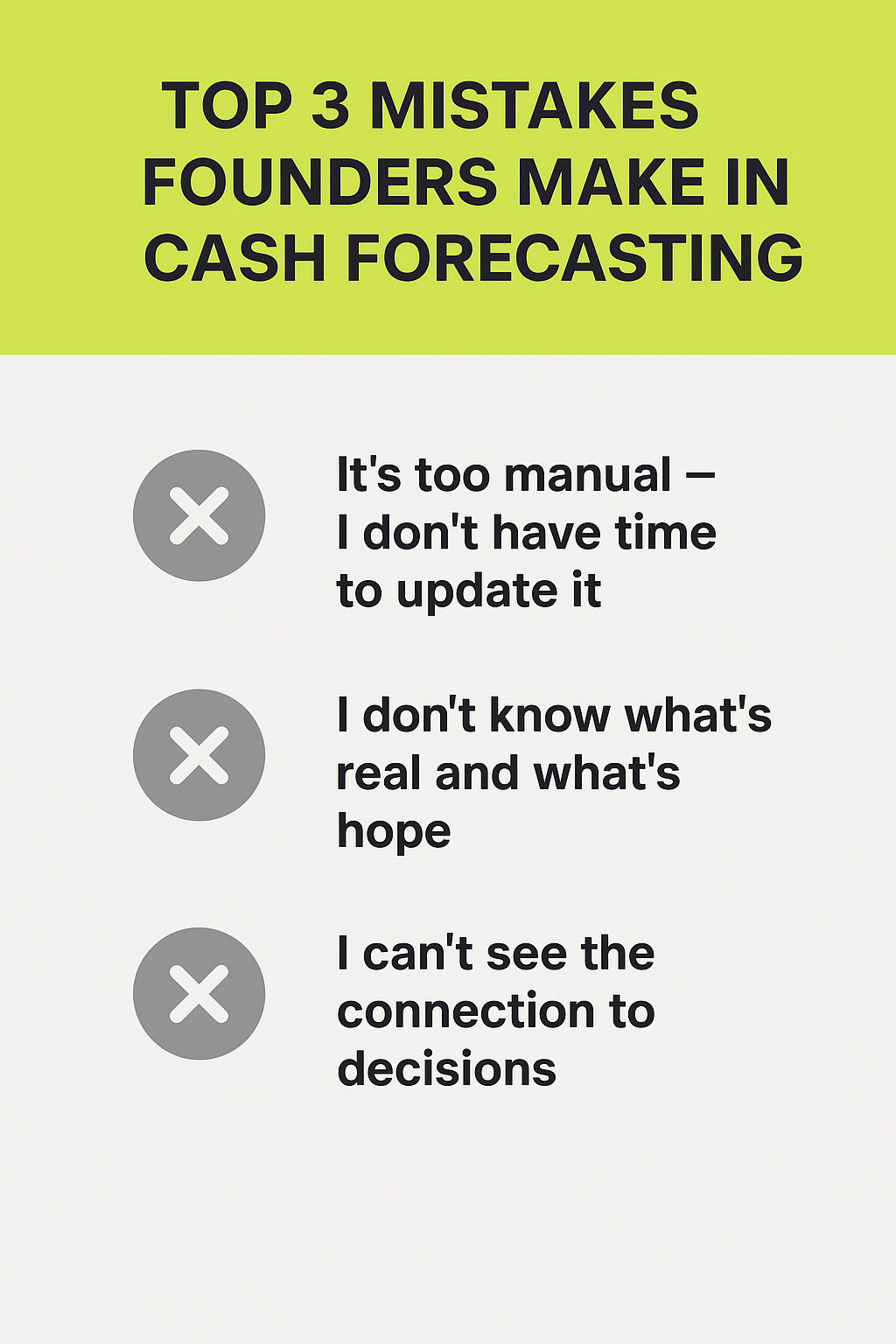
    Most founders don’t resist cash flow forecasting because they think it’s a bad idea — they resist it because they’ve experienced it as a manual, clunky process that’s always out of date.

    Here are the most common challenges we see:

    ❌ “It’s too manual – I don’t have time to update it.”

    Without structure, weekly forecasting turns into spreadsheet chaos. People rely on static files, copy-paste errors, and best guesses. That’s why we always start from a budget — not a blank page — and build automation on top.

    ❌ “I don’t know what’s real and what’s hope.”

    Founders often mix up confirmed cash inflows with expected ones. That’s why we track AR in aged buckets and only count cash we’re confident in. You need to know the difference between “booked revenue” and “actual cash next Tuesday.”

    ❌ “I can’t see the connection to decisions.”

    Even when founders have a cash forecast, they don’t link it to strategy. Should you hire? Buy inventory? Delay a payment? Cash flow tools must inform decision-making, not just compliance reporting.

    The fix isn’t more accounting — it’s smarter financial design.
    When done right, a 13-week forecast runs in the background, alerts you before trouble, and empowers you before action.

    Conclusion

    In business, cash doesn’t move monthly — it moves weekly. And yet too many founders fly blind with outdated, static views of their finances. A 13-week cash flow forecast isn’t just a defensive tool for distressed companies — it’s a strategic system for every business, at any stage.

    Whether you're managing a burn rate, expanding into new projects, or negotiating supplier terms, clarity over the next 90 days empowers better decisions today. It protects you from the downside and positions you to seize upside. It replaces panic with planning.

    At Quantro, we believe every founder should know exactly when they’ll run out of cash — and exactly what to do before they get there. Weekly forecasting doesn’t just show you what’s coming. It gives you time to do something about it. Want to implement a 13-week cash forecast for your business? Let’s build it together.

  • Cash Flow Creativity: Strategies to Keep Your Money Moving

    Cash Flow Creativity: Strategies to Keep Your Money Moving

    The Vital Pulse of Business Health—Cash Flow Management

    Managing cash flow effectively is not just a financial task—it's a vital strategy that breathes life into every business, influencing everything from day-to-day operations to long-term planning and growth. Cash flow management involves monitoring, analysing, and optimising the cash entering and exiting your business. This dynamic process ensures that a company can meet its financial obligations, avoid excessive debt, fund itself, invest, and secure a prosperous future.

    Understanding and mastering cash flow is crucial because it affects every part of your business. Unlike profit, a theoretical figure reflecting earnings minus costs, a cash flow statement is the real-time lifeline of financial resources that helps a business stay operational and solvent. By implementing innovative cash flow management strategies, businesses can survive in competitive markets and position themselves for growth and success. We will explore foundational concepts and pioneering strategies that can transform standard cash flow practices into powerful tools for business enhancement.

    Innovative Cash Flow Management Strategies

    Strategy 1: Rethinking Payment Cycles

    One often overlooked aspect of cash flow management is the strategic use of payment cycles to optimise cash inflows and outflows. For instance, consider the potential of cashback credit cards. Businesses can earn significant returns over time by utilising these for operational expenditures. For example, if an advertising agency places its media buys through such a card, the 0.1% to 1.75% cashback on substantial annual spending can add to net income. This approach not only enhances liquidity but also turns ordinary expense transactions into opportunities for income generation.

    Moreover, negotiating favourable payment terms with suppliers can significantly impact cash flow. Proactive negotiations can extend payment deadlines, aligning outflows more closely with inflows from receivables. This strategy is crucial during growth or unexpected slowdowns, as it helps maintain a stable operating capital. 

    Businesses can implement structured payment runs to refine this process further. They schedule payments only after receiving customer payments, conserving net cash flow and reducing the need for further loans or external financing.

    Strategy 2: Creative Use of Financial Tools

    Another innovative approach involves the placement of idle funds into high-yield, next-day liquid savings accounts or dividend market funds. These tools can generate annual returns of up to 5%, turning stagnant cash reserves into productive assets. This technique is particularly valuable for businesses with large, fluctuating cash balances, providing them with a buffer of money that earns interest, the income from which can be crucial during leaner times. Furthermore, integrating these financial practices requires minimal adjustment to existing processes but offers substantial benefits, highlighting how traditional cash management can be enhanced through creative thinking and strategic financial planning.

    These strategies show that cash flow management can extend beyond mere number-crunching into strategic financial engineering, where every decision can influence the company's financial health, operational efficacy and net cash flow.

    Technological Tools for Cash Flow Optimisation

    Advanced technological tools are pivotal in optimising cash flow management. Embracing technology simplifies a business's financial operations and provides real-time data that can be crucial for making informed decisions. For instance, integrating automated Google Sheets with accounting software allows businesses to view their financial status live. This setup automates the data entry process and updates cash flow forecasts dynamically based on daily transactions, ensuring that business owners can see the financial implications of their day-to-day decisions instantly.

    We often use services for that with our clients and set up alerts to be sent automatically to their Slack if cash flow or revenue drops from a certain threshold.

    Specialised tools like Agicap, Float, Fathom, and Casual enhance cash flow management. These software solutions offer tailored functionalities for tracking and forecasting cash flow, enabling businesses to anticipate future cash flow requirements and plan accordingly and accurately. Such tools often include features allowing scenario planning, which can be invaluable in preparing for various financial futures. By employing these technological aids, businesses can move beyond static spreadsheets and engage in active, strategic financial management that aligns with their growth objectives and operational needs.

    The only drawback of using those tools is usually that you need some financial expertise to use them and keep them updated; none of the tools are accurate enough on autopilot. 

    The key benefit of utilising these technological tools lies in their ability to free up business owners and financial managers from the time-consuming tasks of manual cash tracking and forecasting. This efficiency reduces the risk of human error and allows leaders to focus more on strategic decision-making rather than day-to-day financial administration. 

    Proactive Cash Flow Forecasting

    Proactive cash flow forecasting is essential to strategic financial management, enabling businesses to anticipate future cash requirements and navigate financial challenges effectively. Forecasting acts as a financial radar, helping businesses foresee periods of cash surplus and shortfall and facilitating more informed decision-making regarding investments, expenses, and debt management. By regularly updating poor cash flow forecasts based on current business activity and market conditions, companies can maintain a clear vision of their financial trajectory and adjust their strategies proactively.

    By being proactive, we often moved the needle early to get as much cash for our clients as possible to avoid cash flow crunches and jeopardise their growth.

    Implementing advanced forecasting involves more than just predicting future or negative cash flow flows; it requires a deep understanding of the business cycle, seasonal trends, and potential market disruptions. Tools like scenario planning are particularly useful in this context. They allow businesses to test different financial outcomes based on varying conditions, such as an economic downturn or a sudden spike in product demand. This planning allows businesses to pivot their operational strategies swiftly and confidently, ensuring financial stability and continued growth.

    We always use the Best, Good, Break-even and Worst scenarios for our clients. Using technology, you can instantly choose which scenario you want to see and the outcome that provides.

    In addition to technical tools, cultivating a mindset within the organisation prioritising forward-looking financial planning is crucial. Engaging multiple departments in the forecasting process can provide diverse insights and data, enhancing the accuracy of forecasts. This collaborative approach improves the quality of financial projections and fosters a culture of financial awareness and preparedness across the company. 

    Negotiating Better Deals

    Effective negotiation with suppliers and creditors is a pivotal strategy for managing cash outflows and improving overall cash flow. Regular negotiation can secure better payment terms, extend due dates or reduce prices, and significantly ease cash flow pressures. For example, by agreeing to make payments on a bi-monthly basis aligned with receivables, businesses can ensure they have the necessary stock of cash on hand to meet obligations without resorting to costly short-term financing.

    The art of negotiation goes beyond simply asking for better rates or more time to pay; it involves building strong relationships with suppliers that can lead to mutual benefits. This can include sharing forecasts and production plans with suppliers to assist them with their own planning, which might, in turn, incentivize them to offer discounts or more favourable terms. A strategic approach to negotiations—one seen as fair and beneficial to all parties—can result in deals supporting sustained financial health and operational efficiency.

    A lot of CFOs' time is spent on building relationships with different stakeholders. From suppliers to financing creditors and preparing the business for any unexpected turn. We at Quantro have built and used those relationships for our clients across our portfolio. 

    Building a Cash-Savvy Organisational Culture

    Cultivating a more positive cash flow-savvy organisational culture is a strategic endeavour that can significantly enhance a business's overall financial health. This involves investing in education and engagement of every tier in the organisation about the principles of cash flow management and its critical role in the company's success. By fostering financial literacy among all employees, businesses can develop a workforce that is proactive about managing costs and optimising cash use, which is fundamental to sustaining operational agility.

    To build this kind of culture, companies can start by providing regular training sessions that cover basic financial concepts and the specific cash flow practices relevant to their roles. In addition, integrating financial metrics into performance reviews can incentivise employees to adopt more cashflow-conserving behaviours. Such practices deepen understanding of cash flow forecast and align everyone's efforts towards the company's financial goals, creating a collective responsibility for financial stability. These efforts should be supported by transparent communication about the company's financial status and goals, which can help to align all staff with the business's strategic vision.

    By embedding these principles deeply into the company ethos, businesses can ensure that their teams are not only aware of the importance of cash flow but are also equipped to make decisions that contribute positively to it. This unified approach improves financial outcomes and strengthens the company's resilience against economic fluctuations, positioning it well for future growth and success. 

    Harnessing the Power of Proactive Cash Flow Management

    Effective cash flow management is not just a financial necessity—it's a strategic advantage that can define and determine the success of a business. By implementing the strategies discussed—from innovative financial tactics to investing and leveraging technology to fostering a cash-savvy culture—companies can transform their cash management from a passive ledger activity into a dynamic asset that drives business growth. These methods ensure businesses survive and thrive by making informed, strategic decisions that enhance their financial stability and operational efficiency.

    To truly benefit from these strategies, businesses must integrate them into all operations. This integration involves adopting new tools and practices, shifting the organisational mindset to value cash balance more, and understanding financial management as a core business function. Such a holistic approach to finance can mitigate risks associated with cash flow fluctuations and equip businesses to capitalise on opportunities swiftly and effectively.

    In conclusion, as markets continue to evolve and financial pressures mount, the ability to manage cash flow creatively and proactively is more critical than ever. Businesses that embrace these sophisticated cash flow management techniques will make more money and be better positioned to navigate the complexities of modern economies, ensuring longevity and success in the competitive business landscape. Remember, cash flow management is the heartbeat of your business, and keeping it healthy requires constant attention, innovation, and commitment.

    *Thumbnail image from September 3, 2025

  • Cash Reserves: How Much Should Your Startup Really Hold?

    Cash Reserves: How Much Should Your Startup Really Hold?

    Determining how much cash reserves a startup should maintain is a critical aspect of financial management that can influence the long-term success and stability of the business. Cash reserves act as a financial buffer, providing the security to handle unexpected expenses, economic downturns, and growth opportunities. The global pandemic is a prime example of unexpected challenges necessitating cash reserves. Striking the right balance between maintaining sufficient reserves and investing back into the business is an ongoing challenge for many startup founders. This article explores various strategies and considerations for determining the appropriate amount of cash reserves for your startup, drawing on personal experiences and industry-specific insights.

    Financial planning must be both strategic and flexible. Factors such as industry-specific needs, the startup’s stage, and the overall economic climate significantly shape the approach to cash reserves. While conventional wisdom suggests maintaining three to six months’ operating expenses, many startups find their unique circumstances require more tailored strategies. Let’s dive into the guide to help startups navigate the complexities of cash reserve management.

    Understanding Cash Reserves

    Cash reserves refer to the funds a business keeps readily available to meet short-term and emergency needs.

    These financial resources provide a financial cushion, ensuring that the business can continue operations even in the face of unexpected challenges such as sudden drops in revenue, unexpected expenses, or economic downturns. Cash reserves are typically held in liquid forms, such as savings accounts or money market funds, which can be quickly accessed when needed. The benefit of having the idle cash into savings accounts or money market funds is that you get a return of around 5%. So, despite maintaining money to provide stability and security, allowing the business to navigate through difficult periods without the immediate need to secure additional funding, you can make some extra revenue and cash.

    For startups, having adequate cash reserves is particularly crucial. Unlike established businesses, startups often face higher levels of uncertainty and volatility. They might not have consistent revenue streams or long-standing credit lines to fall back on. With cash reserves, startups can weather short-term financial storms and avoid making hasty decisions under pressure, such as taking on high-interest debt or cutting critical expenses. The biggest problem when you require immediate cash from loans is the high interest you will pay on those debts.

    As those are close to emergency funds having 20% interest. If things are not going well, you will be lucky to get one from a bank. So, to avoid that, you should always be prepared for the worst and have credit facilities or loans before you need them. Additionally, cash reserves can provide the flexibility to seize unexpected opportunities, such as investing in new technology or expanding operations, which can drive long-term growth and success.

    Do you have enough cash?

    Managing cash flow in a startup always balances, ensuring financial security and making strategic investments for growth. Drawing from personal experience, it’s clear that determining the right amount of money to hold as cash reserves versus what to invest is influenced by numerous factors. For example, understanding your base revenue, confirmed revenue and fixed costs is crucial.

    In service-based businesses, dealing with clients and employees with specific notice periods adds another layer of complexity. As a rule of thumb, maintaining reserves equivalent to three times your monthly fixed expenses can provide a sufficient buffer.

    This approach proved effective during the tech bubble, offering enough time to recover from bad sales periods while keeping funds in high-interest liquidity accounts to avoid idle cash losing monetary value.

    Lessons Learned

    The importance of having an adequate cash reserve was underscored during the tech bubble when significant losses were incurred. This situation highlighted the necessity of proactive financial planning and the ability to foresee potential bumps on the road. Faced with $725k in losses over 15 months, it became evident that cash reserves were insufficient to cover both expected and unexpected costs, leading to the need for expensive short-term loans. To prevent such shortfalls in the future, we established a credit facility under favourable terms and developed alternative credit methods. This proactive approach ensures the business is better prepared for financial challenges, reinforcing the importance of maintaining robust cash reserves.

    Industry-Specific Factors

    Every industry demands different strategies for determining the right amount of cash reserves for a company. For instance, consider a manufacturing startup that relies heavily on raw materials and inventory management. Such a business must maintain a substantial cash reserve to cover the costs of purchasing materials in bulk, which can be subject to price volatility. Additionally, the manufacturing process often involves significant lead times, and any disruption in the supply chain can delay production and sales. Therefore, maintaining a cash reserve that covers several months of operating expenses can help the business manage these uncertainties and ensure smooth operations even when faced with supply chain disruptions or sudden increases in material costs.

    Additionally, whether a startup is funded or bootstrapped is crucial in determining its cash reserves. Funded startups may have more leeway in maintaining lower reserves due to their access to additional funding rounds, whereas bootstrapped startups might need to be more conservative.

    Moreover, the business stage—whether in the growth or scaling phase—also dictates the amount of cash reserves needed. Startups in the early growth phase might require larger reserves to navigate the unpredictability of market conditions and operational challenges. For example, a tech startup focusing on rapid product development and market entry will need substantial reserves to cover R&D costs, marketing expenses, and initial operational outlays.

    On the other hand, a startup in the scaling phase, with more predictable revenue streams and established customer bases, might manage with relatively smaller reserves but should still be prepared for any unexpected expenses or opportunities. Understanding these industry-specific nuances is essential for tailoring a cash reserve strategy that aligns with the company’s unique needs and risks.

    Balancing Cash Reserves with Investment Cash Flow

    Balancing the need for cash reserves with the potential opportunity cost of not investing those funds back into the business is a complex but crucial aspect of financial management. One effective approach to this balancing act involves evaluating potential investments based on their return on investment (ROI) and payback periods.

    For instance, if an investment promises a high ROI but has a slow payback period, it requires careful consideration to ensure it doesn’t jeopardise the company’s financial stability. Conversely, opportunities that offer a decent ROI with a quick payback period can be more appealing, especially if they don’t significantly impact liquidity. This method ensures that funds are preserved for emergencies and utilised effectively to drive business growth.

    In practice, having idle cash reserves might earn around 5% per annum, which is not just about the returns but also about the safety and liquidity it provides. Highly liquid investments, such as Fidelity Cash Reserves, are short-term investment options that provide quick access to financial resources without the need for a large amount of cash on hand. However, when the business experiences significant profits, making a quick investment that yields more than 5% in a short period can be a no-brainer. The key is to create detailed risk assessments, including good, bad, and average scenarios, and develop a plan for each.

    This involves modelling potential outcomes and ensuring that even in the worst-case scenario, the business can continue to operate smoothly. By balancing immediate cash needs and long-term investments, startups can ensure they are well-prepared for opportunities and challenges.

    Cash Reserve Adapting to the Current Economic Climate

    Given the current economic climate, the conventional wisdom of maintaining three to six months of operating expenses in cash reserves is generally sound. Reviewing financial statements to determine the appropriate amount to be placed in a cash reserve is crucial. Still, adjustments may be required based on specific circumstances. Startups must consider the overall economic environment, including inflation rates, interest rates, and market volatility. Because that might challenge their ability to raise money.

    In today’s context, where economic conditions can be unpredictable, a cash reserve covering at least three to six months of expenses can provide a necessary buffer. However, it might be wise to maintain a more substantial reserve for startups that can raise funds easily or are in a high-growth phase. Flexibility is key in adapting cash reserve strategies to the current economic landscape. For instance, if significant investment opportunities promise quick returns, startups might choose to reduce their cash reserves temporarily, provided they have contingency plans in place. Establishing credit facilities or maintaining relationships with investors can ensure that additional funds can be accessed quickly.

    Additionally, monitoring economic indicators and being prepared to adjust reserve levels accordingly can help startups effectively navigate uncertain times. By continuously reassessing their financial strategies and adapting to changing conditions, startups can balance maintaining financial security and pursuing growth opportunities.

    Closing Thoughts for Cash Reserve Amount

    Determining the right amount of cash reserves for your startup is a critical aspect of financial management that requires careful consideration of various factors. From understanding the basic purpose and importance of cash reserves to tailoring strategies based on industry-specific needs and economic conditions, maintaining adequate reserves is essential for navigating uncertainties and seizing growth opportunities. Reviewing financial statements for each accounting period helps determine the size of a cash reserve by analyzing the previous year's cash flow statement to calculate the monthly cash burn rate and leveraging the company's projected cash flow and budget. Balancing the safety of cash reserves with the potential returns from investments involves strategic planning and continuous reassessment to ensure your startup remains resilient and poised for success.

    Partnering with experts like quantro.gr can provide the guidance and resources needed to develop effective cash reserve strategies and capitalise on growth opportunities. With tailored financial plans, access to funding, and robust risk management frameworks, startups can confidently navigate the complexities of financial management. By maintaining a proactive approach and leveraging expert support, your startup can achieve financial stability and drive long-term growth.

    *Thumbnail image from September 3, 2025

  • Future-Proofing Your Business: Strategies to Prevent Cash Shortages

    Future-Proofing Your Business: Strategies to Prevent Cash Shortages

    The CFO’s Role in Cash Flow Management

    Cash flow is the lifeblood of any business, yet many companies still fail to manage it effectively. While revenue growth and profitability are key financial goals, a company can be profitable on paper and still run out of cash. This disconnect is one of the most common reasons businesses struggle, especially in uncertain economic environments. In 2025, with rising costs, shifting market conditions, and evolving financial technologies, CFOs must take a more proactive approach to cash flow management. Simply monitoring cash flow is no longer enough—CFOs must actively shape financial strategy to ensure liquidity and stability.

    The role of the CFO has always been the same, add wealth to the shareholders, protect the business assets and strategic cash flow optimisation. This includes forecasting cash needs, ensuring receivables and payables are well managed, leveraging automation, and securing financing before it’s needed. Without a structured, forward-thinking approach, companies risk cash shortfalls that can stall growth or even lead to business failure.

    The Biggest Cash Flow Mistakes CFOs Must Avoid

    Effective cash flow management starts with understanding the common mistakes that put businesses at risk. Many companies fail not because their business model is flawed, but because they don’t manage liquidity effectively. Here are three of the most common cash flow mistakes businesses must actively avoid.

    1. Mistaking Profit for Cash Flow

    One of the most fundamental misconceptions among founders is assuming that profit equals cash flow. In reality, profitability and liquidity are two entirely different things. A business might show strong profits on its P&L, but if revenue is tied up in unpaid invoices, excessive inventory, or delayed payments, it can still struggle to cover essential operating expenses like payroll and rent.

    CFOs must ensure that cash flow is tracked separately from profit and that businesses have real-time visibility into their actual liquidity. This requires strong accounts receivable processes, optimised payment cycles, inventory management based on ROI and frequent cash flow forecasting. Without these safeguards, businesses can face unexpected cash shortages, even if their financial statements look strong.

    2. Failing to Secure Financing Before It’s Needed

    Many companies wait until they’re in a cash crunch to start looking for financing. The problem? Banks and investors are more willing to lend when you don’t desperately need it. CFOs must take a proactive approach to credit management, ensuring they secure lines of credit, business loans, or investor backing during stable periods, rather than scrambling for capital when the business is under pressure.

    A well-prepared financing strategy means having pre-approved credit facilities, strong banking relationships, and contingency plans in place. This ensures that businesses aren’t forced into poor financial decisions—such as selling equity at a discount or taking on expensive short-term debt—just to cover operational costs.

    In addition, CFOs can forecast whether financing is more cost-effective than an investment based on ROI. For example, a business may secure financing at a 5% interest rate to bulk purchase inventory at a 10% discount, resulting in a net financial gain. Strategic use of financing can improve cash flow efficiency, allowing businesses to leverage opportunities without depleting working capital.

    3. Overlooking ROI and Payback Periods on Investments

    Another major cash flow mistake is failing to evaluate the return on investment (ROI) and payback period before spending capital. Many businesses invest heavily in marketing, hiring, or product development without a clear timeline for when those investments will generate returns. This can lead to capital being locked up in low-yield projects, putting unnecessary strain on working capital.

    CFOs must ensure that every major investment is assessed based on ROI and payback period. This means prioritising high-impact initiatives that deliver measurable returns in a reasonable timeframe. By maintaining a disciplined approach to capital allocation, businesses can avoid unnecessary cash flow risks and ensure that every pound spent contributes to long-term financial stability.

    5 Strategies to Improve Cash Flow

    CFOs and finance departments must take a proactive approach to cash flow management, and we gave practical examples of how to improve cash flow, ensuring businesses are not only profitable on paper but also financially liquid and operationally stable. Here are five key strategies businesses can implement to strengthen cash flow in 2025.

    1. Proactive Accounts Receivable (AR) Management

    One of the most important elements of cash flow is cash intake, meaning CFOs or finance departments in bigger businesses need to stay on top of receivables. A business cannot afford to simply assume invoices will be paid on time—it must implement a structured process to track and accelerate collections. Weekly AR reports should be reviewed with the teams, project managers (PMs), finance, or account managers. The goal is to keep cash moving consistently while maintaining positive client relationships.

    A best practice is to tailor the AR follow-up process to the client. In some instances, the growth director (client partner) drives the relationship, in others, the project manager (PM) is responsible, and in some cases, the finance team takes the lead. Knowing which approach works best for each client ensures a firm but collaborative collections process. By embedding clear AR policies and regular communication, businesses can minimise late payments, avoid cash flow gaps, and strengthen financial predictability.

    2. Optimising Accounts Payable (AP) for Stronger Working Capital

    On the flip side of receivables is accounts payable, which, if managed strategically, can significantly improve cash flow. Instead of paying invoices immediately upon receipt, businesses should implement a structured AP process that aligns payments with incoming receivables. By scheduling payments once or twice per month—around the time most receivables are collected—CFOs can maintain a healthy working capital buffer while avoiding unnecessary cash shortfalls.

    Another strategy is negotiating extended payment terms with suppliers. If a business secures 45- or 60-day payment terms while collecting receivables within 30 days, it creates a natural cash flow advantage. However, this must be balanced carefully—maintaining strong supplier relationships is just as important as optimising cash flow. Communication is key, ensuring suppliers understand that extended terms are part of a long-term, mutually beneficial partnership.

    3. Leveraging AI and Automation for Real-Time Cash Flow Monitoring

    AI is transforming cash flow management, allowing CFOs to automate forecasting, track variances, and even execute intra-company cash transfers across multiple accounts in real-time. AI-driven financial tools can detect patterns, flag potential shortfalls, and recommend adjustments before liquidity issues arise.

    However, while AI enhances efficiency and accuracy, it cannot replace human judgment when it comes to strategic financial decisions. For example, AI may recommend delaying a supplier payment based on cash flow projections, but only a CFO understands the context of supplier relationships and the strategic implications of payment delays. The best approach is to use AI for automation and insights, while keeping final decision-making in human hands.

    4. Offering Client Discounts for Early Payments

    A powerful yet often overlooked strategy to improve cash flow is offering discounts to clients who pay in advance or within shorter payment terms. This approach incentivises faster collections, ensuring that cash comes in sooner rather than being tied up in long payment cycles.

    For example, a business might offer a 2% discount for payments made within 10 days instead of the standard 30-day term. While this means slightly reducing revenue on an invoice, the benefit of having immediate cash available often outweighs the discount given. Having strong cash flow early allows the business to reinvest in growth, secure bulk purchasing discounts, or avoid needing external financing.

    However, CFOs must ensure that discounts are structured properly. They should only be offered to financially reliable clients and should be calculated so that the benefit of receiving cash early outweighs the cost of the discount. Additionally, these incentives should be used selectively to target key clients who contribute significantly to cash flow, rather than being applied across all invoices.

    5. Negotiating Supplier Discounts for Faster Payments

    Just as businesses can offer clients incentives for early payments, CFOs can leverage faster payments to negotiate better terms with suppliers. Many suppliers offer significant discounts for upfront or expedited payments, which can directly improve profitability and reduce overall costs.

    For example, a company might negotiate a 5-10% discount in exchange for paying invoices within 10 days instead of the usual 30- or 60-day terms. While this means cash leaves the business sooner, the savings gained from these discounts can offset the impact of reduced working capital. This strategy works particularly well for businesses with excess cash on hand or those that can use the savings to increase margins or reinvest in growth initiatives.

    However, this approach should be used strategically. CFOs must balance early payment discounts with maintaining sufficient liquidity for daily operations. This strategy is most effective when businesses have a clear view of their cash flow projections and can identify which supplier discounts will generate the greatest financial benefit. By securing high-impact cost reductions, CFOs can strengthen cash flow indirectly by lowering overall expenses, improving the company’s financial position without taking on additional revenue risk.

    The CFO’s Role in Financial Resilience

    In 2025, CFOs must take a proactive and strategic approach to cash flow management to ensure business stability and sustainable growth. Simply tracking financial performance is no longer enough—companies must actively optimise cash flow through faster collections, smarter payment strategies, and cost-saving initiatives.

    By implementing structured accounts receivable follow-ups, aligning payables with cash inflows, leveraging AI for better forecasting, offering client discounts for early payments, and negotiating supplier discounts for faster payments, CFOs can strengthen liquidity and improve working capital. These strategies create a self-sustaining cash flow cycle that supports both day-to-day operations and long-term business expansion.

    Ultimately, cash flow is more than a financial metric—it’s a strategic tool that determines whether a business thrives or struggles. With a well-structured scalable financial plan, as quantro offers we can ensure our businesses that will remain financially agile, competitive, and resilient in an ever-changing market.

    *Image from September 3, 2025

  • How A Lack of Cash Can Stunt Your Business

    How A Lack of Cash Can Stunt Your Business

    Many businesses fail every year, and the majority of them fail due to poor cash flow. The reason is simple: They can’t pay their bills, their employees, or their suppliers. They can’t hire new talent, and they can’t keep their clients. They really can’t do much of anything without cash. This is especially true of small businesses that don’t have enough money to begin with or don’t understand the importance of cash flow. These could have been great businesses, but they end up failing due to not having cash. Maybe you’re thinking that cash really isn’t that important. We’d argue the opposite. In fact, we recently published an article about why cash is king in your growth. Now, let’s talk about how that lack of cash can stunt and ruin your business.

    The Early Stage Debt

    Now, it’s important to note that the business’s expenses, especially during the early stages, are most likely going to be greater than their revenue. With many businesses we’ve worked with, they’re burning money. This isn’t a huge concern, especially in businesses that need a lot of capital upfront. It can be dangerous, but it’s not the end of the world. However, eventually, businesses have to generate positive cash flow or they will not be able to sustain the business. This goes for every business, both the ones burning cash and the ones bootstrapping. That early stage debt cannot continue in a healthy business.

    The Lack Of Opportunity Debt

    On the other hand, many businesses manage to stay afloat, but their business is stagnant because they lack the cash that would present them with opportunities for growth. What many companies don’t understand is that cash flow is more important than profits. You might land a big client that gives you the potential to generate a positive cash flow, but if they aren’t paying you on time or if they keep lengthening their payable schedule, you aren’t getting your cash when you need it, and your cash flow will most likely take a serious hit. That lack of a positive cash flow not only affects your business, your employees, and your ability to hire the top talent you need, but it also affects your suppliers, your freelancers, and your reputation. 

    Cash Reserves Act As Insurance

    This is why it’s so important to have cash reserves. Cash reserves are your insurance against a whole plethora of things. They protect your business during periods of economic downturns, they allow you to jump on new investment opportunities, which help grow your business, and they can bring in the quality resources you need to meet client expectations. When you lack cash, you are stunting your growth, missing opportunities, and putting your business at risk of losing clients or failing altogether. 

    A lack of cash means you have to work with the resources you have, which often leads to allocating the wrong resource to the wrong project. This can lead to an unsatisfied and unmotivated workforce, which then leads to a decline in quality, and ultimately, an unhappy client. Unhappy clients don’t stick around long. So it’s clear that the lack of cash can seriously hurt your business. 

    Cash Can Impact Your Reputation

    Cash goes beyond just having funds because it affects your business in so many ways. In fact, it can even impact your reputation. If you don’t have the cash to pay suppliers, or you have to delay payments, you can cause major issues for your business. Word of mouth travels fast, especially when it’s not good news. You can earn a reputation as a company that doesn’t pay its bills or can’t pay them on time. This makes it hard to secure new suppliers, which, in turn, makes it hard to grow your business. 

    The same holds true if you hire contractors to meet a client’s needs and then can’t pay them or pay them late. Your ability to find good talent will dry up, leaving you with few options and less than desirable resources to choose from. When your suppliers cut you off or your contractors look elsewhere, you find yourself without the supplies and talent you need to meet your client’s expectations. If you can’t rectify that, you’ll lose your clients as well. Without cash, you won’t have the means to rectify the situation. People don’t wait around, especially in the creative agency world. If you lack the cash to hire fast enough to accommodate client needs, then you won’t be adaptive enough for your client. Essentially, a lack of funds translates into a missed opportunity to grow your business.

    Tips For Growing Your Cash And Business

    Having positive cash flow is important because without it, you can’t grow your business. Cash gives you options and flexibility, which will allow you to quickly jump on opportunities. If you’re not prioritising cash in your business, it’s something you need to consider. Here are our top tips for growing your business and prioritising your cash flow:

    Negotiate Quick Payment Terms

    Not all clients will pay you quickly, which can leave your business strapped for cash. When you don’t have positive cash flow, it’s important to negotiate quick payment terms with your clients. This will allow you to better allocate your resources, pay your employees, and stay in business. For example, when you are getting bigger clients you should expect longer revenue receivable days as they have long processes to approve the invoices and usually ask for longer net days to pay, so you need to think about the consequences that might have. This is perhaps the most important thing to do when growing your cash reserve.

    Set Up Payment Cycles

    There will always be money going out in a business. There are expenses to be paid, but the issue is when it’s being paid. If you pay all of your bills on the first, but you don’t get paid until the fifth, you’re going to overdraw your account. You won’t have any cash. Instead, especially as your business is growing, ensure that your payment cycles happen so that money comes in before money comes out. Then, use the leftover cash as your reserve.

    Hire In Advance

    One thing we do is hire in advance and train our people. You might be wondering, what does this actually have to do with cash flow? Well, it prevents our teams from being overloaded. It also gives us more people on the ground, so when the opportunity comes, we are ready and able to deliver with the highest quality resources.

    Give Clients A Consistent Experience

    If you’ve hired enough people, and you have cash to jump on opportunities, you need to give your clients a consistent experience. With our adaptive model, we can move resources around quickly to accommodate the needs of our clients. But we are only able to do that because we have the reserve cash in place. Because we give our clients a consistent experience, they’re happy with our work. We’re able to deliver in the best ways, which opens us up for gaining more business, and thus, more cash.

    Invest In Your People

    Your employees are the backbone of your business. They're the ones in the trenches, putting in the hours, and coming up with new ideas and winning strategies. The bottom line is you have to invest in your people, or your business will suffer. It’s guaranteed. One way you can invest in your people is by resourcing. As part of your operational model, use 120 billable hours out of 170 contractual hours. Then your employees can use the extra 50 hours for just about anything else. This includes holidays, time off, training, sick leave, or whatever else they want to use it for. Don't push your people to work over 120 billable hours. Doing the math, 120 billable hours is 70% of their contractual hours. This means that if you didn't have cash, you wouldn’t be able to invest in your people in advance, and you wouldn’t be able to hire the right people. 

    Don’t Allow Overtime

    We don’t believe in overtime because that leads to problems such as employee burnout, stress, and employee churn. This adds up to an unhappy worker, who won’t give you their best. Not to mention, depending on how you pay your employees, overtime can lead to a much higher cost for you. 

    It’s extremely important to have a positive cash flow because you can then invest in your people, in your resources. This way, you avoid overloading them with work and aren’t putting pressure on them to work longer hours. This not only upsets the work-life balance, but it also hurts performance, which hurts quality, which negatively impacts the client. But if you lack the cash to employ this model or a similar one, you don’t have the opportunity to invest in your people. This will undoubtedly lead to stunting the growth of your business. 

    Grow Your Business Successfully With Quantro

    We know that cash is just one aspect of growing your business. As growth CFOs, we’ve seen the importance of having cash reserves in every business we work with. Do you know the importance of cash, but still don’t seem to be growing? Talk to one of our growth CFOs today to see how we can help.

    * Thumbnail image September 3, 2025

  • How to Build a Scalable Financial Plan for Startups

    How to Build a Scalable Financial Plan for Startups

    Many startups approach startup budgeting reactively, often creating their first scalable financial plan only when they face cash flow issues. Instead of crafting a structured, forward-looking strategy, founders rush to put together a basic Profit & Loss (P&L) statement that reflects what they hope to see—without incorporating key assumptions or data-driven projections. This leads to unrealistic expectations, as the plan assumes best-case scenarios with no room for market fluctuations, operational setbacks, or strategic pivots. Without a scalable financial plan, businesses risk running out of cash faster than expected or misallocating resources to low-impact initiatives.

    A well-structured startup budgeting process should not just be an accounting exercise—it should act as the North Star for decision-making, guiding where to invest resources, when to scale operations, and how to adapt to changing market conditions. Instead of being a static spreadsheet, it should be a dynamic framework that evolves as the business grows. The best scalable financial plans are built around key business goals, helping founders and teams understand how financial decisions translate into sustainable growth. In this article, we’ll break down the core principles of building a scalable financial plan, compare different approaches for VC-backed vs. bootstrapped startups, and explore how AI is transforming startup budgeting while reinforcing the need for human oversight and strategic thinking.

    Core Principles of a Scalable Financial Plan

    A scalable financial plan is built on more than just projections—it requires a solid foundation of assumptions, scenario planning, and cash flow management. Many founders make the mistake of treating their financial model as a fixed prediction rather than a living document that adapts to business realities. A truly effective startup budgeting process starts by defining clear business goals, identifying key revenue and cost drivers, and creating a financial model that evolves alongside the company’s growth. Without this structured approach, startups risk either overspending on unproven strategies or being too conservative and missing growth opportunities.

    Another critical element of startup budgeting is prioritizing cash flow over profitability. Many startups focus on achieving revenue growth, but without proper cash flow management, even the most promising businesses can collapse due to liquidity issues. A scalable financial plan should incorporate burn rate analysis, cash runway projections, and working capital management to ensure the company remains financially stable. Additionally, financial planning must be rooted in real data, not just gut instinct—founders should regularly update their assumptions based on actual performance and market conditions. By embedding these principles into the financial planning process, startups can make smarter investment decisions, allocate resources more efficiently, and build a foundation for long-term scalability.

    How Financial Planning Differs for VC-Backed vs. Bootstrapped Startups

    Not all startups follow the same financial planning approach. The key distinction lies in whether a startup is venture-backed or bootstrapped, as each model comes with different risk tolerances, growth strategies, and cash management techniques. A VC-backed startup typically operates under a growth-first mentality, aggressively investing in hiring, marketing, and product development to capture market share before competitors. These startups often burn cash intentionally in the early stages, with the expectation of securing future funding rounds to sustain operations. In contrast, a bootstrapped startup operates with a cash-conscious approach, prioritizing profitability and self-sufficiency from the outset. Instead of scaling rapidly, bootstrapped startups focus on sustainable growth, ensuring that each investment delivers a clear return.

    For venture-backed startups, startup budgeting focuses on speed and experimentation. Marketing spend is often allocated to paid media, aggressive customer acquisition campaigns, and rapid product iteration. The goal is to identify high-ROI channels before running out of funding, even if it means burning cash in the process. Conversely, bootstrapped startups must plan each investment carefully. With limited funds, they typically prioritize organic growth channels such as SEO, content marketing, and outbound sales, which offer longer-term returns but require patience and consistency. Because they don’t have the luxury of burning cash, bootstrapped startups must always maintain positive cash flow, ensuring that essential expenses—like payroll—are covered every month.

    Making Financial Planning a Team-Wide Effort

    A scalable financial plan should not be created in isolation by the finance team or founders alone. One of the biggest mistakes startups make is treating financial planning as a top-down exercise, where only senior leadership sets the budget while teams simply execute. In reality, financial planning is most effective when it is collaborative, ensuring that each department understands how their actions impact the company's overall financial health. By involving team members in the startup budgeting process, businesses foster accountability, ownership, and strategic decision-making at all levels.

    Every department—whether marketing, sales, operations, or product—should take responsibility for their own budget and understand how their spending decisions contribute to revenue growth and profitability. For example, the marketing team should own their budget allocation, ensuring that ad spend, SEO investment, and outbound campaigns align with the company’s financial goals. Similarly, sales teams should track their cost of acquisition (CAC) and customer retention metrics, ensuring that each deal closed contributes positively to the bottom line. By making financial planning a team-wide effort, startups can create a culture where every team member thinks like a CFO, balancing growth ambitions with financial discipline.

    AI & the Future of Financial Planning: The Balance Between Technology & Human Expertise

    The rise of Artificial Intelligence (AI) in FP&A (Financial Planning & Analysis) is transforming how startups approach startup budgeting and financial decision-making. AI-powered tools can now automate forecasting, detect financial anomalies, and optimise budget allocations, significantly reducing the time spent on manual financial tasks. Machine learning models can analyse historical data, market trends, and customer behaviour to create highly accurate projections, allowing startups to plan with greater confidence. This automation enables founders and finance teams to shift their focus from number-crunching to strategic decision-making, ensuring financial plans are both data-driven and scalable.

    However, while AI enhances financial efficiency, it cannot replace human judgment and business acumen. A scalable financial plan is not just about numbers—it requires context, critical thinking, and adaptability, which AI alone cannot provide. AI-generated forecasts may be statistically sound, but without a deep understanding of the company’s vision, competitive landscape, and operational nuances, they risk being misleading. Founders and finance leaders must leverage AI for data processing and automation while retaining control over strategic decisions that involve risk assessment, market shifts, and business priorities. The key is to embrace AI as a powerful tool while ensuring that human expertise remains the final filter for financial planning and budgeting decisions.

    A Scalable Financial Plan is a Competitive Advantage

    Startups that treat financial planning as a strategic tool rather than a reactive necessity are far more likely to achieve sustainable growth. A scalable financial plan is not just about forecasting revenue and expenses—it’s about aligning financial decisions with business goals, optimising cash flow, and making data-driven investments that maximise returns. Whether a startup is venture-backed or bootstrapped, the key to success lies in understanding its financial levers, planning for different scenarios, and ensuring accountability across teams.

    As AI continues to revolutionise startup budgeting, founders must strike a balance between automation and human expertise. Leveraging AI-powered financial tools can improve accuracy and efficiency, but the final decisions should always incorporate business context, market dynamics, and strategic foresight. Startups that master this blend of technology, financial discipline, and team-wide accountability will be better positioned to navigate challenges, seize opportunities, and scale successfully. The best financial plans are not static—they evolve, adapt, and serve as a North Star guiding every business decision. At Quantro we help you prepare a scalable financial plan that will growth your business.

  • quote-to-cash: How Finance Turns Revenue into Predictable Cash Flow

    quote-to-cash: How Finance Turns Revenue into Predictable Cash Flow

    Most founders look at revenue and assume it automatically translates into cash. After all, if sales are growing, the business must be healthy — right? In reality, the path from a signed deal to actual liquidity in the bank is more complex. Each step in the quote-to-cash cycle — from pricing and discount governance, through billing, collections, revenue recognition, and churn — has a direct impact on cash flow.

    At Quantro, we see this disconnect often: a business might appear profitable on paper but still struggle to meet payroll or fund growth because cash inflows lag behind reported revenue. This is why understanding and managing the quote-to-cash process is not just an operational concern — it’s a financial survival skill.

    We’ve written previously about the importance of reporting cadence and how timely insights help leadership teams make better decisions. Quote-to-cash goes one step further: it links day-to-day commercial actions directly to cash visibility and predictability. For growing companies, especially those in SaaS, e-commerce, or services, mastering this cycle is the difference between riding growth momentum and stalling out due to liquidity gaps.

    Pricing & Discount Governance

    Discounting is often seen as purely a sales lever, a way to close deals faster or clear stock. But from a finance perspective, discounts are much more strategic: they directly affect liquidity, working capital, and the cash runway.

    At Quantro, we always start by asking: what does the business need most right now margin, liquidity, or growth? The answer determines how discounts should be used.

    Take e-commerce as an example. Inventory sitting unsold for months is not just a storage problem; it’s cash locked away in stock. In one client case, we recommended clearing slow-moving items even at cost or below purchase price. The result? Liquidity was freed up and redeployed into high-margin inventory and targeted marketing campaigns that delivered a 3x ROI. By taking a short-term hit on paper, the client generated more profitable growth and improved cash flow.

    In another case, a service business struggling with liquidity needed faster access to working capital. Instead of focusing on list prices, we structured early-payment discounts to incentivise customers to pay quickly. The accelerated inflows allowed the business to reinvest in growth initiatives and stabilise its cash position.

    The principle is simple: discounting isn’t about generosity; it’s about aligning commercial decisions with financial strategy. With the right modelling, discounts can become one of the most effective tools for unlocking liquidity.

    Billing Structures & Invoicing Discipline

    One of the most overlooked cash levers is billing. Many businesses, even SaaS companies, still rely on monthly invoices with 30–60 day payment terms. On paper, revenue looks steady. In reality, cash lags far behind, creating a mismatch between reported performance and available liquidity.

    We’ve seen this first-hand. A SaaS client of ours was invoicing every month and waiting for transfers to clear. Not only did this create delays in cash inflows, but it also generated an unnecessary admin burden, with finance teams spending time chasing invoices and correcting errors. Worse, we discovered missed invoices amounting to significant revenue that had to be billed retroactively, which risked client trust and strained the business’s cash position.

    Our solution was simple but transformative: we introduced payment cards via Stripe, connected directly to recurring subscriptions. Instead of sending invoices and waiting weeks for payment, the business now renews automatically each month. The result was:

    • Cash arriving on time, every time,
    • Elimination of missed invoices,
    • Reduced admin load, freeing finance teams to focus on value-added tasks.

    This is why we often say: billing isn’t an administrative process; it’s a cash discipline. Choosing the right structure (upfront billing, auto-renewals, card payments) determines whether you’re funding growth with predictable inflows or constantly waiting on receivables.

    We covered the importance of short-term visibility in our article on the 13-week cashflow. Billing practices are one of the most direct levers that determine whether that forecast is accurate or whether it becomes an exercise in wishful thinking.

    Collections & Receivables Management

    If pricing sets the rules and billing defines the structure, then collections are where everything is tested in practice. It doesn’t matter how strong your contracts or invoices are if customers don’t pay on time, your business starves of cash.

    At Quantro, we always remind founders: the goal is to make it as easy as possible for clients to pay. That may mean adjusting payment methods, simplifying invoicing, or restructuring terms altogether. But beyond convenience, it requires discipline.

    Our approach is simple and consistent. Every Monday, we review a weekly AR ageing report for each client. This report shows which invoices are current, which are overdue, and by how long. From there, we assign actions to the right team members ensuring someone is responsible for following up. It’s this rhythm that prevents overdue balances from snowballing into liquidity problems.

    The benefit is twofold:

    • Cash comes in faster, improving predictability.
    • Client relationships stay healthier, since follow-ups happen promptly and professionally.

    Collections metrics, such as DSO (Days Sales Outstanding) and AR turnover, deserve a place on KPI dashboards alongside growth and profitability. After all, there’s little value in booked revenue if it never makes it into the bank.

    Revenue Recognition Basics

    Revenue recognition is one of those topics that can feel overly technical, but it doesn’t have to be. The principle is simple: revenue should be recognised when the service is delivered, not when the cash is received.

    Two elements matter:

    1. Value of the service, and
    2. Timeframe of delivery.

    For example, imagine a client pays €1,200 upfront in January 2025 for a 12-month service. Even though the full amount is in the bank immediately, finance doesn’t record €1,200 as January revenue. Instead, it is spread across the service period: €100 per month from January through December.

    The impact of this becomes clear over the long run. If you treat the entire €1,200 as January revenue, you might feel “flush with cash” and spend too aggressively in the early months. But by mid-year, if new customers haven’t been added, you’ll still have six months of costs to cover without any fresh revenue coming in. This disconnect can create liquidity squeezes that catch founders by surprise.

    It also distorts performance reporting. Imagine your monthly costs are €100:

    • With proper recognition, January shows €100 revenue and €100 costs → break-even. February, with €50 revenue, shows a €50 loss.
    • Without proper recognition, January would appear to show €1,100 profit, while February would show a €50 loss. Neither figure reflects reality, and both mislead stakeholders.

    That’s why accurate revenue recognition matters: it keeps your financial picture grounded in economic reality. It protects cash runway, ensures profits are measured consistently, and avoids overstating performance in one month only to show unexpected losses in the next.

    Churn & Retention → Cash Predictability

    If revenue recognition shows you the timing of revenue, churn tells you whether that revenue will actually keep coming in. For subscription or recurring revenue businesses, churn is one of the most powerful drivers of cash predictability.

    At Quantro, we build churn directly into our clients’ forecasting models. The structure is straightforward:

    • Revenue: carried forward from the previous month.
    • New Revenue: net new sales added in the current month.
    • Churned Revenue: a percentage reduction based on average historical churn rates.

    By layering these three elements together, we create a revenue forecast that reflects both growth and decay. That forecast is then linked directly to cash flow: receivables days determine when the forecasted revenue actually lands in the bank, week by week.

    The impact is twofold:

    1. Founders get a realistic picture of whether growth is net positive or simply covering churn.
    2. Cashflow forecasts become more reliable, because future inflows are stress-tested against customer retention, not just top-line optimism.

    We’ve previously explored cash flow forecasting for startups, where we stressed the importance of accuracy in short-term planning. Factoring churn into the model is what keeps those forecasts grounded in reality, ensuring that projected inflows don’t collapse when customers leave faster than expected.

    Readiness Checklist

    To test whether your business is truly cash-ready, we use a simple diagnostic framework at Quantro. If you can tick these boxes, you’re well on the way to aligning your revenue engine with your cashflow reality:

    • Discounts aligned with cash strategy: Do you treat discounts as a working capital lever, not just a sales tool?
    • Billing terms designed for liquidity: Are you using structures (like card payments or upfront billing) that accelerate inflows, instead of relying on slow invoice cycles?
    • Collections discipline in place: Do you review AR ageing weekly and assign actions for follow-up?
    • Revenue recognition understood and applied: Do you separate cash in the bank from revenue over time, so your forecasts and performance reporting remain realistic?
    • Churn integrated into forecasts: Do your models include churn as a reduction line, so cashflow projections don’t rely on wishful thinking?

    This readiness checklist isn’t just a health check it’s a foundation. Businesses that get these right have a cash engine that fuels growth rather than constrains it.

    KPI Tree – Connecting Revenue Levers to Cash Flow

    One of the most powerful tools we use with clients is the KPI tree a way to visualise how operational levers cascade into financial outcomes. Here’s a simplified version for quote-to-cash:

    • Pricing & Discounts → Gross Margin → Liquidity runway
    • Billing Terms → Days Sales Outstanding (DSO) → Cash Conversion cycle
    • Collections Discipline → % of receivables paid on time → Operating cash inflows
    • Revenue Recognition → Deferred Revenue → Cash visibility & runway accuracy
    • Churn & Retention → Net Revenue Retention (NRR) → Forecasted inflows predictability

    The key point: these are not isolated metrics. Each connects directly into cash. By treating KPIs as part of a system rather than standalone numbers, you move from firefighting liquidity gaps to proactively managing financial health.

    From Revenue Engine to Cash Engine

    The quote-to-cash process isn’t just about administrative efficiency or ticking compliance boxes. It is the hidden engine that determines whether a business can sustain growth, meet its obligations, and reinvest with confidence.

    When pricing, billing, collections, revenue recognition, and churn are managed in isolation, founders risk liquidity gaps, distorted performance reporting, and short-term decisions that undermine long-term stability. But when those elements are connected and actively governed through a finance lens, the business gains something far more powerful than revenue: predictable, investable cash flow.

    At Quantro, this is where we step in. We bring clarity, structure, and discipline to the quote-to-cash cycle, ensuring that every euro earned translates into liquidity you can actually use to fuel growth. The companies we work with don’t just scale revenue they scale confidence in their financial future.

  • Practical guide how to navigate cash and cash equivalent in early stage startup

    Practical guide how to navigate cash and cash equivalent in early stage startup

    Introduction

    Starting a new business is a challenging journey. Managing cash flow effectively is one of the most critical hurdles for early-stage startups. According to CB Insights, running out of cash is one of the top reasons startups fail, highlighting the importance of robust cash management practices. This guide provides practical strategies and insights to help startup firms navigate the complexities of cash flow and cash equivalents, ensuring their business survives and thrives.

    We will explore essential strategies for managing cash flow, including the benefits of automating cash-flow forecasting, the advantages of prepaid annual contracts, and the importance of maintaining a cash reserve fund.

    We'll also discuss balancing cost-cutting with growth opportunities and explore innovative methods for securing early funding.

    By implementing these strategies, startups can build a solid financial foundation, enabling them to focus on growth and innovation.

    The Importance of Cash Flow ManagementUnderstanding Cash Flow

    Cash flow is the lifeblood of any startup. It refers to moving money into and out of your business, encompassing all operational expenses (operating cash flow), investments, and income. Positive cash flow means your startup can meet its obligations, invest in growth opportunities, and cushion against unexpected downturns.

    Conversely, negative cash flow can lead to insolvency, stunted growth, and business failure. Managing cash flow effectively ensures that your startup remains viable, providing the financial stability needed to weather early-stage challenges and capitalise on market opportunities.

    Consequences of Poor Cash Management:

    Startups are particularly vulnerable to cash flow issues due to their reliance on initial funding and often unpredictable revenue streams. Poor cash management can lead to severe consequences, including  missed growth opportunities at best, inability to pay suppliers or employees, and damage to business relationships and credit ratings.

    According to many studies around why startups fail, running out of cash is the second most common reason. Therefore, understanding and managing cash flow isn't just a financial task—it's a strategic imperative that can mean the difference between success and failure for an early-stage startup.

    Automating Cash-Flow ForecastingThe Power of Automation

    In the fast-paced environment of a startup, having a clear and real-time view of your financial health is crucial. Automating cash-flow forecasting can provide this clarity, significantly impacting financial management. For instance, by using tools, startups can gain real-time insights into their financial status. We like Google Sheets for automating cash flow forecasting because of its openness capabilities and creating live dashboards with alerts.

    Other cash flow software can produce automated cash flow statements and everything related to cash, like the Float app, which connects directly to your accounting software. However, like every other tool, it has some limitations.

    This automation allows for better decision-making, providing an accurate picture of when and where cash will enter and leave the business. As a result, startups can anticipate cash needs, avoid potential shortfalls, and manage their financial operations more efficiently.

    Practical Implementation and Benefits

    One of our clients struggled with cash flow management until we automated their cash flow in Google Sheets.

    We set up a live dashboard with alerts, enabling them to handle their inventory more effectively and manage difficult cash situations in advance. When inventory dropped below a certain threshold, they received a notification to their Slack. It was the same with money; when cash dropped a certain threshold, they had a message in their Slack. Then, we followed up with strategies and useful tips to improve the situation.

    This automation provided immediate efficiency in stock orders and allowed them to proactively plan for future financial needs.

    Using such automated tools, startups can ensure they have sufficient cash to meet operational needs, invest in growth opportunities, and cover unexpected expenses.

    Automating cash flow forecasting benefits include improved financial resilience, enhanced operational efficiency, and a stronger foundation for long-term success.

    Utilising Prepaid Annual Contracts

    Boosting Cash Flow with Prepaid Annual Contracts:

    One effective strategy to improve cash flow is to use prepaid annual contracts.

    This approach involves negotiating with customers to pay for a year’s worth of services upfront, providing an immediate influx of cash. This strategy is particularly beneficial for startups that do not have the luxury of abundant venture capital funding. By securing a full year's payment at once, startups can ensure they have sufficient funds to cover operational costs and invest in growth opportunities.

    Bonus Tip

    You can take advantage of credit cards that provide you with instalments. For example, you can pay your subscriptions annually for better payment terms, like 20% discounts. You can use a credit card to split the payment into 3,6,9, or 12 instalments with 3% internet.

    That means you take the best out of both worlds, taking a huge discount on your subscription but not paying cash upfront because you will be split into the credit card platform for 12 months.  

    Overcoming Challenges in Negotiations:

    Convincing customers to commit to prepaid annual contracts can be challenging, especially for smaller businesses.

    However, providing incentives such as discounts for annual payments or enhanced customer support can make the offer more attractive.

    In our experience, smaller businesses are often open to paying upfront if they see the value and security in their investment. This strategy stabilises cash flow and fosters stronger customer relationships by demonstrating confidence in the value provided.

    Maintaining a Cash-Reserves Fund

    Importance of Cash Reserves:

    Establishing and maintaining a cash reserve fund is essential for the financial stability of an early-stage startup.

    A cash reserve fund acts as a safety net, providing a buffer against unexpected expenses or periods of reduced income. Ideally, this fund should be large enough to cover at least three months’ operating expenses.

    This financial cushion ensures that the business can continue to operate smoothly even when faced with unforeseen challenges, such as delayed payments from clients or sudden drops in revenue.

    Bonus Tip

    Utilise that cash reserve fund in investing activities like next-day liquidity accounts or dividend accounts, and you will get around 5% interest on idle cash.

    Building and Managing the Fund:

    To build a cash reserve fund, startups should adopt disciplined saving practices and strategic financial planning.

    One effective technique is to set aside a portion of monthly profits into a separate, interest-bearing account.

    Utilising financial products like cashback credit cards can also help accumulate additional funds. It’s important to get into the mindset that these reserves are for emergencies only and not to be used for day-to-day operations (net cash flow). By treating this fund as an untouchable reserve, startups can ensure they are prepared for financial uncertainties while maintaining a strong operational footing.

    Deciding Between Cutting Costs and Investing in Growth

    Balancing Act: Cost-Cutting vs. Growth Investment

    One of the most critical decisions for startup founders in young companies is determining when to cut costs and invest in growth opportunities.

    Running a lean operation is essential, particularly in the early stages, to avoid unnecessary expenditures that can drain your cash reserves.

    However, it is equally important to identify and seize growth opportunities that offer a high return on investment (ROI). The key is to assess each expense and potential investment through the lens of ROI, ensuring that every dollar spent contributes meaningfully to the company's growth and sustainability.

    Evaluating Costs and Opportunities:

    Startups should regularly review their financial statements to identify non-essential expenses that can be eliminated without compromising core operations.

    This might include downsizing office space, renegotiating supplier contracts, or reducing discretionary spending. On the flip side, evaluating growth opportunities involves analysing their potential impact on revenue and scalability.

    For example, investing in a marketing campaign that has historically shown a high conversion rate or developing a new product feature that meets customer demand can drive substantial growth. The decision-making process should be data-driven, prioritising investments with the highest potential ROI while maintaining financial prudence.

    Securing Early Funding

    Exploring Funding Options

    Securing early funding is vital for startups to build a solid financial foundation and fuel their growth. Traditional funding sources, such as bank loans, are often challenging for startups due to the high risk associated with new ventures.

    However, various alternative funding options can provide the necessary capital without the stringent requirements of traditional loans. These include venture capitalists, angel investors, and innovative methods like factoring invoicing, which involves selling your accounts receivable at a discount to get immediate cash.

    Innovative Approaches and Considerations:

    Another practical approach is utilising credit facilities or credit cards that offer instalment plans or buy-now-pay-later options, providing flexibility in managing cash flow.

    Cashback credit cards can also be beneficial by offering returns on expenditures, which can be funnelled back into the business. It’s crucial to carefully evaluate the costs and fees associated with each funding option to ensure it aligns with your financial strategy and operational needs.

    Maintaining strong relationships with investors and exploring creative financing methods can give startups the liquidity to navigate the early stages and drive sustainable growth.

    Conclusion

    Recap of Key Points

    Managing cash and cash equivalents effectively is crucial for the survival and growth of early-stage startups. By automating cash-flow forecasting, startups can gain real-time insights and make informed financial decisions. Using prepaid annual contracts can provide an immediate cash influx, helping stabilise finances.

    Maintaining a robust cash-reserves fund ensures the business can weather unexpected financial challenges.

    Balancing cost-cutting with growth investments requires careful ROI analysis, ensuring that every expenditure contributes meaningfully to the company’s objectives.

    Finally, exploring various funding options, from venture capital to innovative financing methods, can provide the necessary liquidity to support startup growth.

    Final Thoughts:

    Navigating a startup's financial landscape is no easy task, but it is possible to build a solid financial foundation with the right strategies and tools. Proactive cash management ensures operational stability and positions the startup for sustainable growth and success. By implementing the strategies discussed in this guide, startup founders can better manage their cash flow, make strategic investments, and secure the funding needed to drive their business forward.

    For further guidance and resources, consider consulting with financial experts, leveraging financial management tools, and continuously educating yourself on best practices in cash management.

    Your startup’s success depends on your ability to navigate these financial challenges effectively. Start implementing these strategies today to secure a brighter future for your business.

    *Thumbnail image from Storyset